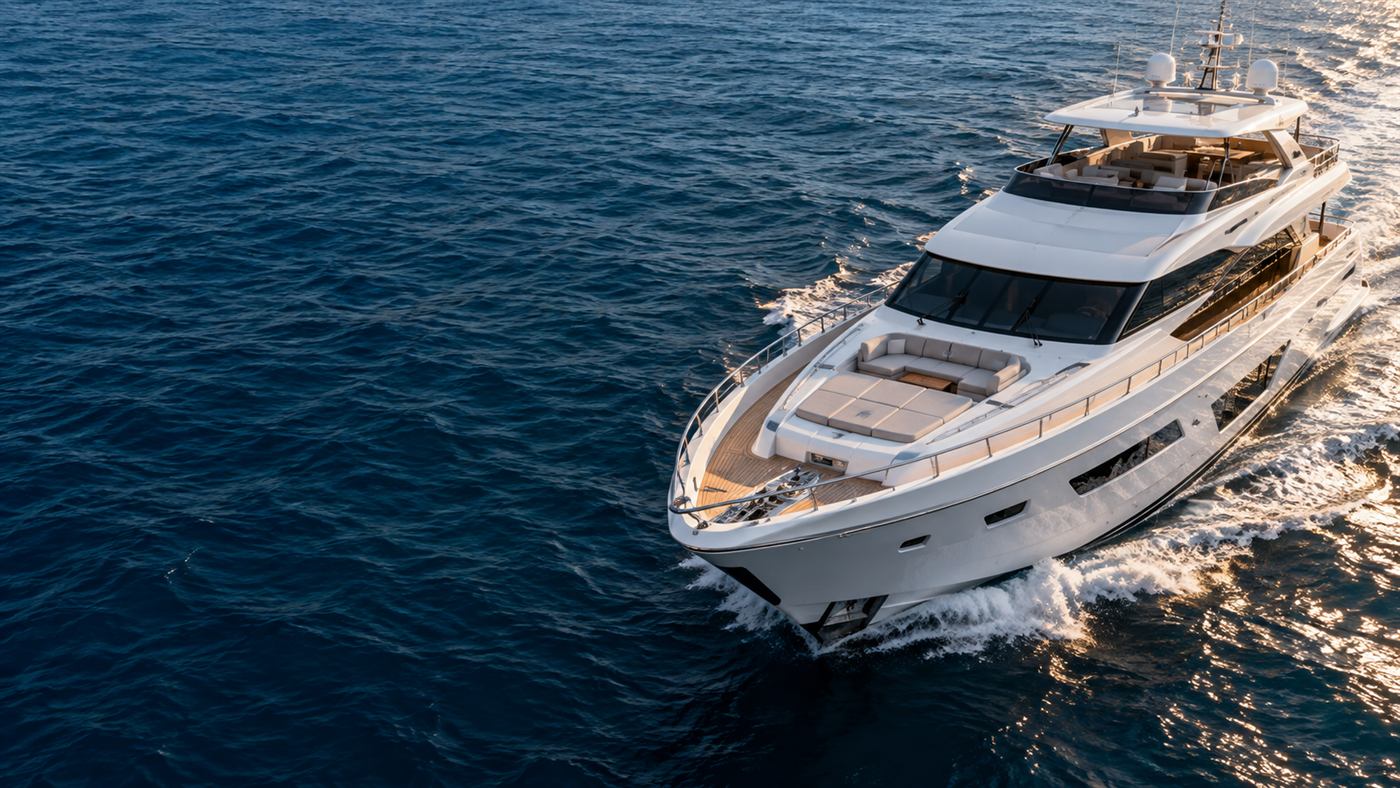
Why these areas need their own attention
A hull side is mostly a smooth surface. A cockpit or flybridge is a crowded workspace made of many materials in close quarters: non-skid sole, gelcoat coamings, vinyl seating, stainless rails, glass, electronics, teak, canvas, rod holders, cup holders, drains and lockers. A single product or technique will not suit all of them.
These spaces also take the heaviest daily use. Sunscreen, drinks, bait, fish blood, food, diesel residue from handling lines and general dirt gather here. Sun hits them directly, and they are where people touch most surfaces. Wear shows here first.
A good detail therefore treats the area as a set of small jobs done in the right order. The result looks consistent and the materials are not harmed by products intended for something else. The more specific services behind this work are described on pages such as non-skid deck cleaning and vinyl upholstery cleaning.
Sequence matters: top to bottom, dry to wet
Detailing a cockpit and flybridge is partly about order. Dust, polish residue and cleaner drips fall downward, so work begins at the highest point and finishes at the lowest. On a flybridge boat that means the hardtop or canvas first, then the helm and seating, then the lower cockpit.
Loose items come off first. Cushions, cooler lids, gear and mats are moved so surfaces can be reached. Dry debris is cleared so it is not pushed around when water is added. Then the wet work begins, with each material treated and rinsed before the next.
Finishing touches come last. Glass, stainless polish, protectants and final wipe-downs are saved until all the dirtier work is done, so nothing finished gets splashed. A rushed detail that polishes stainless first and then scrubs the deck above it will leave the metal spotted. The right order saves effort and gives a cleaner finish.
- Remove cushions, gear and loose items from the work area
- Clear dry debris, then rinse from the highest point downward
- Clean decks, coamings and gelcoat before delicate surfaces
- Treat seating, canvas and glass with products suited to each
- Polish stainless and finish with protectants
- Final wipe-down and inspection from several angles
The cockpit sole, drains and scuppers
The cockpit sole is usually molded non-skid or teak, and it collects the most dirt. Sunscreen, fish residue and algae settle in the texture, and standing water in low spots breeds mildew. Cleaning follows the methods described for non-skid, with soft brushes and suitable cleaners, and with care not to wear the texture smooth.
Drains and scuppers are easy to forget and important to clear. Debris, scales, hair, bait and sand collect in the drain channels and screens, slowing drainage. A blocked cockpit drain can leave water standing on deck and, in heavy rain, become a serious problem. Technicians clear visible debris and flush the drains.
Fish boats need extra care. Blood, slime and bait leave odors and stains that standard cleaners barely touch. Enzyme-based or degreasing products are used to break them down, and the sole, the fish boxes and the transom are all rinsed thoroughly. Fish residue left to dry attracts pests and smells for weeks.
Helm station and electronics
The helm is the most delicate part of the cockpit or flybridge. Screens, switches, gauges, throttle controls and wheels need a gentle approach. Moisture getting into electronics causes real damage, so cleaners are applied to cloths, not sprayed on the panel, and fresh water is never poured on the console.
Screens are wiped with a soft microfiber cloth and a cleaner suitable for the screen's coating. Ammonia and alcohol can damage anti-glare layers. Switches and knobs are cleaned lightly, with care not to push moisture into seams. Steering wheels and shifters pick up oils and sunscreen and are wiped with a vinyl-safe or leather-safe cleaner as appropriate.
Further guidance appears under electronics and helm cleaning. A detailer cleans surfaces, but does not open panels or adjust equipment. If something looks damaged or loose, it is noted for the owner or the captain.
Seating, cushions and canvas
Flybridge and cockpit seating is mostly vinyl, with some cushions and canvas covers. These suffer from sunscreen, mildew, salt, spilled drinks and heat. Each is treated as described on the vinyl and canvas pages, with a mild cleaner and soft tools, never harsh abrasives.
Seams, stitching and the undersides of cushions get special checking. Mildew likes the dark, damp places that cleaning often skips. Cushions are lifted and the seat bases are cleaned and dried, and any moisture trapped under them is dealt with before it grows.
Canvas over the flybridge, such as a bimini or sun shade, is cleaned in place or removed, depending on its condition and the marina. The details are on canvas and isinglass cleaning. Loose snaps, split seams and failing zippers are reported for repair by a canvas shop.
Stainless, hardware and small fittings
Rails, grab bars, cleats, rod holders, ladders, cup holders and light fixtures all sit within arm's reach. Salt, finger oils and humidity leave water spots, brown tea staining and surface rust on stainless. Aluminum fittings oxidize and pit. Chrome-plated parts peel and corrode when their finish breaks down.
Cleaning begins with fresh water and a mild soap to remove salt. Stains are treated with a polish or cleaner made for the particular metal, and the surface is wiped dry and, where suitable, protected. Aggressive abrasives can scratch stainless and leave a pattern that holds more stain, so fine polishes are used and rubbed with the grain where there is one.
More on metal care is on bright work metals and stainless hardware cleaning. Fittings that are pitted deeply or corroded through are beyond cleaning, and a technician will point them out so they can be repaired or replaced before they fail.
- Rails and grab bars collect salt film and tea staining
- Rod holders and cup holders hold residue in their recesses
- Cleats and ladder mounts can weep rust onto surrounding gelcoat
- Light fixtures and lenses cloud and collect insects and dust
- Hinges and latches need cleaning and light lubrication
Gelcoat on coamings, consoles and hardtops
The gelcoat in the cockpit and on the flybridge faces the sun more than the hull sides do, so it chalks and stains earlier. Coamings, console tops and hardtop undersides carry sunscreen, hand marks and algae. They are cleaned with marine soap and, where needed, polished, using the same restraint as on the hull.
Polish and wax need to be kept off non-skid, vinyl, teak and canvas, where they can leave marks or make surfaces slick. Masking and careful application keep products where they belong. Where gelcoat is too textured or too near sensitive materials, it is cleaned and protected by hand rather than machine-polished.
The same masking approach is used for decals, nameplates and electronics. A single smear of compound on a black switch panel is hard to remove, and protecting these areas before polishing is quicker than fixing them afterward.
Glass, enclosures and lighting
Flybridge windshields, helm windows and cockpit enclosures are cleaned with the methods in the glass and enclosure pages, such as yacht window and glass cleaning. Salt film, water spots and bird droppings are the usual issues. Clear vinyl panels are cleaned gently and never dry-wiped.
Navigation and courtesy lights collect salt and moisture. Cloudy or yellowed lenses reduce light and look neglected. Lenses are cleaned carefully, with products suited to the plastic, and any that are cracked or letting in water are reported. The problem is described further on hazy boat lights and lenses.
Cleaning glass and lights last in the sequence gives the clearest result, since all the dust and spray from earlier work has already settled.
Different boats, different priorities
A sportfish cockpit is a working space. Priorities are degreasing, odor removal, fish box cleaning and getting blood and bait residue out of the sole. A family cruiser flybridge is a social space, where sunscreen on vinyl, spilled drinks and sticky cup holders matter most.
A center console has a compact version of both. The helm, leaning post, bow seating and live wells all need attention in a small area. A trawler or liveaboard flybridge may have extra gear, dinghy davits and solar panels that need careful cleaning without damage.
The plan is shaped by how you use the boat. Telling the technician about your typical outings, guests and problem areas lets the detail focus where it matters most, instead of spreading effort evenly over areas you barely use.
Keeping the cockpit and flybridge presentable between visits
A little regular care goes a long way. Rinse the deck and seating after each outing, wipe sunscreen off vinyl, clear the drains and let cushions dry. Wipe down the helm with a clean microfiber cloth and avoid spraying it with liquids.
Store cushions and gear so air can circulate, and do not leave wet items piled in lockers. Close hatches and covers during rain, but make sure the spaces underneath can breathe. Moisture trapped in closed lockers is a quick route to mildew and odor.
Between full details, a short recurring visit can handle the high-use spots, as discussed on recurring maintenance plans. Frequent light care keeps surfaces in good shape and avoids the need for heavy restoration.
Lockers, storage and the hidden corners
Cockpit and flybridge lockers hold lines, fenders, life jackets, cleaning gear, fishing tackle and sometimes damp items that were put away wet. They are dark, warm and humid, which makes them a favorite place for mildew and odor to start. Owners often do not see the problem until a smell reaches the cabin.
A thorough detail includes emptying and wiping accessible lockers, checking for standing water, clearing drains and letting air circulate. Gear that is damp or moldy is flagged to the owner rather than cleaned without asking. Hatches and gaskets are wiped, and any that no longer seal well are noted.
Cup holders, drink coolers, built-in iceboxes and bait wells get the same attention. Sticky residue from spilled drinks attracts insects, and old bait smells linger. These small spaces take little time to clean and make a noticeable difference to how the area feels.
- Empty and wipe accessible lockers and check for standing water
- Clear locker and cockpit drains of sand, scales and debris
- Flag damp or mildewed gear for the owner to decide on
- Clean cup holders, coolers, iceboxes and bait wells
- Note worn gaskets and hatches that no longer seal
Working around guests, crew and marina schedules
Cockpit and flybridge detailing often happens while a boat is in use or between trips. Crew may be washing down, guests may be arriving, and a captain may need access to the helm. Planning the work around those moments avoids damp seats on the day of a charter or an outing and keeps the job from getting in the way.
Time of day matters. Early morning is usually cooler and calmer, which suits cleaners and polishes and reduces streaking. Midday sun dries products too quickly and makes surfaces too hot to treat. Evening work may run into marina quiet hours.
Letting the technician know the plan, such as when guests arrive or when the boat leaves, allows the job to be ordered so the most visible areas are finished first and nothing is left damp or half done.
What to have ready when you call
Describe the vessel type and length, the marina, and the areas you want detailed: cockpit, flybridge, helm, seating, canvas. Say what bothers you most, such as sunscreen stains, mildew, odors, dull stainless or cloudy glass. Mention any areas that are fragile or that you want left alone.
Quotes are given by phone only. A small cockpit may be quoted from your description. A large vessel with a full flybridge, or a boat with extensive teak, canvas and electronics, may need an on-site visit, and there is a service call charge for that visit that is explained on the phone before dispatch.
If you are not sure what each area needs, describe how you use the boat and what you see. When you are ready, call and we will talk through the spaces you use most.
Questions people ask
What does a cockpit and flybridge detail include?
It usually covers the sole and non-skid, coamings and gelcoat, seating and cushions, canvas, glass, stainless and hardware, drains, and helm surfaces. The exact scope depends on the boat and what you ask for, and it is discussed on the phone so it matches how you use the vessel.
Can you clean electronics at the helm?
Surfaces can be cleaned gently, such as screens, bezels and knobs, using cloths and suitable products and without spraying liquid onto panels. A detailer does not open equipment or adjust it. Anything that looks damaged or loose is noted for the owner or captain.
How do you handle fish odors and residue?
Degreasing and enzyme-based cleaners break down blood, slime and bait residue, and the sole, fish boxes and transom are rinsed thoroughly. Residue left to dry attracts pests and keeps smelling, so a prompt, thorough cleaning matters more than scrubbing harder.
Is it safe to polish gelcoat near non-skid and vinyl?
Yes, with masking and care. Polish and wax can stain or make surfaces slippery, so non-skid, vinyl, teak and canvas are protected or cleaned by hand. Areas too textured for machine polishing are cleaned and protected without being cut.
How often should the cockpit be detailed?
It depends on use. A boat used every weekend with many guests needs more frequent attention than one used occasionally. Rinsing after each outing and wiping seats helps, and a recurring visit can keep the high-use areas in shape between full details.
How do I get a quote for a cockpit detail?
Call and describe the vessel, the marina and which areas you want done. Quotes are given only by phone. A larger or more complicated job may need an on-site visit first, and there is a service call charge that is explained on the phone before anyone is dispatched.
Describe the situation by phone and we will tell you what the job involves. Quotes are given by phone. Jobs that cannot be quoted without seeing them need a technician on site, and the service call charge is explained on the phone before anyone is dispatched.
(954) 719-3572Related pages
Planning the work around how the space is used
The cockpit and flybridge are working spaces, and the best detailing plan reflects what actually happens there. A fishing boat has bait stains, scale residue and gear marks to deal with, while a family cruiser has spilled drinks, sunscreen and wet footprints. A technician starts by asking how the area is used, who sits where and which surfaces get touched the most. That conversation shapes the order of work, the products chosen and the amount of attention given to specific zones such as the helm seat, the bait station or the table.
Planning also covers the practical details of getting the work done in the space available. Flybridge steps and ladders can be tight, so hoses, towels and buckets are positioned to avoid blocking access. Cushions may be taken below or covered to keep them dry, and loose items are stored safely before any water is used. The sun, wind and boat traffic all affect timing, and a good plan avoids working on hot surfaces or in direct glare. Even simple choices like starting at the highest point and working down keep dirty water from running over finished areas.
A final walk through, preferably with the captain or owner, closes the loop. The technician checks that every drain flows well, that cushions are placed back where they belong and that nothing has been left in a place where it could cause trouble underway. Notes on anything unusual, such as a loose fitting or a cracked piece of trim, are passed along. The scope and any quote are explained before work begins, and the owner receives a straightforward account of what was done and what might need follow up.