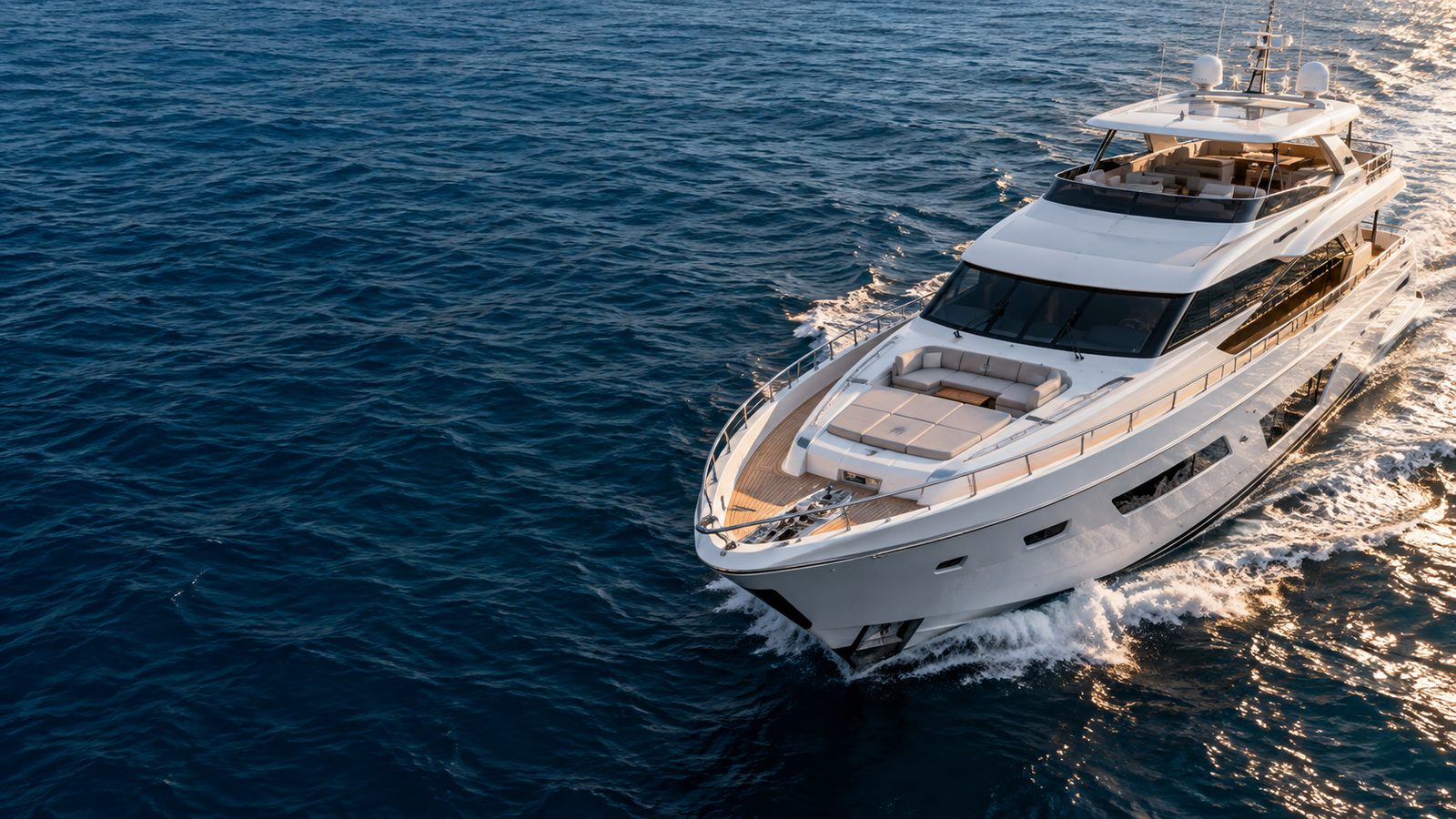
A boating city built around the inlet
Boynton Beach sits in southern Palm Beach County, and the inlet that bears its name gives local boaters a short run from the Intracoastal Waterway to the open ocean. That run matters. Boats that can reach blue water quickly are used differently from boats that must travel a long way. Offshore trips are common, and on this stretch of the coast the Gulf Stream passes close to shore, which is part of why fishing and diving are such a big part of local boating life.
The city has a mix of public and private waterfront. Marinas along the Intracoastal hold sportfish boats, cruisers and sailboats. Waterfront neighborhoods have private docks behind homes. Condominium communities offer shared dockage. Bridges cross the waterway at several points, and boats pass underneath at all hours.
That variety means the same city holds vessels with quite different needs. A center console that runs out the inlet every weekend needs a rinse and a cockpit clean after each trip. A cruising yacht that spends most of the year in a slip needs a different kind of attention, focused on mildew, shine and protection. A sailboat on a mooring or at a dock has its own list. The best plans start with a clear picture of what the boat actually does.
Inlet boats and offshore use
A boat that leaves through an inlet goes out into wind, waves and spray. Even on a calm day, spray reaches the bow, the windshield and the hardware. On a rougher day, a boat can be coated from bow to stern. Salt dries quickly in the sun and leaves crystals on glass, a white crust on stainless, and a sticky film on gelcoat and non-skid. If the boat goes back to its slip without a fresh water rinse, that salt sits and works.
Offshore boats also collect fishing residue. Bait, blood, scales and slime end up on cockpit sole, fish boxes, coolers and gunwales. These organic materials need to be cleaned promptly, because they stain and smell. Enzyme style cleaners break down the organic matter, and a stiff brush works non-skid texture. The guide on sportfish boat detailing and the page on center console detailing cover these surfaces.
What a working inlet boat usually needs between visits:
- A fresh water rinse of the entire boat after each outing, top to bottom.
- A wipe of glass and clear panels with clean microfiber once the salt has been rinsed off.
- A cockpit scrub when bait or blood has dried.
- A look at stainless and fittings for early staining.
- Dry storage of cushions and gear so they do not hold moisture.
Shallow water, sandbars and the scuffs they leave
Inlets and the waters near them are known for shifting sand. Channels move, shoals build up, and boaters need to pay attention to depth. Boats with a shallow draft are common here for that reason, and many of them are used in flats and shallow areas as well. Occasional contact with sand or a hard bottom happens, and it leaves marks on the bottom of the hull, the skeg, and the lower unit.
Marks on the hull bottom are generally a haul-out topic, because they are below the waterline and out of reach from a dock. Marks on the lower sides, along the waterline and on rub rails can be reached and treated. Sand and mud that splash up on the sides leave a brown film that wipes off, but the staining that follows from prolonged contact may need more effort.
A technician looks at what is actually on the hull. Surface dirt and mud come off with a good wash. Light scuffing may polish out. Deeper gouges, especially through the gelcoat to the fiberglass layer, are repair work. If you know the boat touched bottom, mention it on the call so the technician knows what to look for and can advise whether a yard visit makes sense. The related page on bay and flats boat detailing covers shallow-water boats in more detail.
Intracoastal marinas and the cruising crowd
Not every boat in Boynton Beach heads offshore. Many are cruisers, trawlers and motor yachts that spend their time on the Intracoastal, in the Bahamas run, or in the slip waiting for the next trip. Boats like these show a different pattern of wear. They spend more time in the sun than in the spray, so oxidation, canvas fading and teak graying take center stage, along with the interior concerns of a boat that is closed up for long periods.
Marina dockage brings its own details. Many marinas require outside contractors to register, carry insurance and follow rules about water use, chemicals and noise. Some limit work to certain hours. Pressure washing may be restricted, and hull cleaning in the water is often regulated. The guide on dockside detailing and marina rules lists what to ask the office. A quick check saves trouble.
A technician working in a busy marina keeps a tidy footprint: hoses coiled, cords taped down or elevated, products contained, and neighboring boats protected from spray and drift. Marinas take a dim view of contractors who leave a mess, and owners benefit from a crew that works cleanly. If the marina has a dock master or office, introducing the detailer in advance helps. Where the marina provides a list of approved contractors, ask whether outside detailers are allowed.
Gelcoat, paint and the finish
Palm Beach County gets strong sun for most of the year, and gelcoat oxidizes under it. A hull that looked glossy a few seasons ago may now look flat and chalky, and white surfaces show it most. Dark colors show oxidation as a gray haze. The first step in restoring the finish is a thorough wash, which removes dirt and shows what is really there. If the surface still looks dull after washing, correction is worth considering.
Correction with compound and polish removes a thin layer of damaged gelcoat. It is done in stages, beginning with the lightest option that will work, to preserve the layer. Many boats can be restored well. Boats with very thin gelcoat, hairline cracking or past heavy compounding need a more cautious approach, and the technician may recommend a lighter polish, protection only, or a repair first. The page on compound and polish explains the stages.
Painted hulls need different handling. Many paint systems cannot be compounded the way gelcoat can, and the wrong product can damage the finish. A technician first learns what the paint is and follows the manufacturer's guidance. The page on painted hull care describes the general approach. Once the finish is in good shape, a sealant or ceramic coating helps hold it. See ceramic coating for what to expect.
Stainless, aluminum and tower hardware
Hardware on a boat that goes through an inlet takes the worst of the salt. Tower legs, outrigger bases, rod holders, rails and cleats all show it. The typical progression starts with a light brown tint, moves to rust blooms, and ends with pitting. The earlier the cleaning, the easier the removal. Many fittings that look hopeless can be brought back with the right product and some patience, as long as the metal itself is sound.
The technician checks for loose fasteners, cracked welds and deep pitting, and reports on what is found. Those are not polishing issues. If a fitting is structurally suspect, the owner should have a rigger or marine mechanic look at it. Polishing a weak part can make it look better while hiding a problem. A good detailer is honest about that line and does not pretend to fix what is not a cleaning job.
Protection for bright work includes polish with protective qualities, wax or sealant formulated for metal, and, in some cases, coatings. These slow staining but do not stop it. After any boat trip, a rinse and a wipe of the fittings keep the metal in better condition than any product. See bright work metals for specifics on materials and methods.
Teak, canvas and upholstery
Teak makes a boat look finished, and it also needs regular care. In strong sun it grays within a season, and in shade it grows mold. Salt dries it. The right care depends on its condition. Healthy teak needs a light cleaning and perhaps a sealer. Neglected teak may need brightening to remove deep graying, followed by sealing. Heavy sanding is a last resort. The pages on teak deck care and teak sealing explain the options.
Canvas and clear vinyl live in the sun. Fabrics fade, stitching weakens and windows cloud. Cleaning removes dirt and mildew and brightens what can be brightened. It cannot restore color that has left the fabric or strength that has left the thread. A canvas shop handles repairs and replacement. The canvas and isinglass cleaning page describes the process and the limits.
Upholstery on a boat takes sunscreen, salt, food and spills. Marine vinyl responds well to cleaning and protection when it is in good shape. Cracked or peeling vinyl needs replacement. A technician identifies what the material is and uses suitable products. Vinyl upholstery cleaning covers what a typical visit involves.
Interiors, humidity and odors
A boat's interior is a small enclosed space in a humid climate, and moisture is always working on it. Cushions, carpet, headliners, wood trim and fabric absorb dampness, and mildew follows when ventilation is poor. The smell is the first sign, often before any spots appear. Left alone, it spreads and becomes harder to remove.
An interior detail removes dirt and sanitizes surfaces, treats mildew, cleans the galley and head, and addresses odor at the source. The source may be a damp cushion, old bilge water, a drain, or a closed locker. Identifying it matters, because covering a smell without removing the cause means it returns. The pages on interior detailing, mildew treatment and odor removal describe how each is handled.
Active leaks are repair work. If a technician finds water coming in through a hatch, window seal or fitting, the owner is told so that the right professional can fix it. A clean interior will not stay clean for long if water keeps entering. Prevention at home is straightforward: ventilate when possible, run a dehumidifier on shore power, and keep cushions dry.
Storm season and the rhythm of the year
Boynton Beach, like the rest of the coast, plans around hurricane season. Detailing does not secure a boat, and it does not replace the plans owners make with their marina, insurer and yard. A wash-down before and after a storm helps clear salt, debris and mud, and the page on storm prep wash-down outlines what is included.
Through the year, the pace of boating changes. Winter is a busy time with comfortable weather, and many owners schedule work before a trip or event. Summer is hot and wet, with growth of mildew and algae and frequent afternoon storms. A recurring plan can adjust to these shifts, with lighter visits when the boat is lightly used and deeper work when it is needed. See recurring maintenance plans for how this is set up.
Starting with a call
The first call is a conversation about the boat. A technician asks what it is, where it is kept, how it is used and what you are noticing. Quotes are given by phone only, because a number without the details would be a guess. More complicated work may need an on-site visit, and there is a service call charge for that visit, explained on the phone before dispatch. Have the boat type, length, location, dock access and main concerns ready, and the call goes quickly.
Boats in Boynton Beach range widely, from inlet runners to quiet cruisers, and the right plan depends on which kind you own. Describe your vessel and how you use it, and the technician will talk through what makes sense. Call when you are ready to get started.
Questions people ask
How soon after an offshore trip should the boat be rinsed?
As soon as practical, ideally the same day. Salt dries into crystals on glass, stainless and gelcoat, and it keeps metal damp and reactive. A fresh water rinse from top to bottom does most of the protective work. A professional wash on a regular schedule handles what a rinse leaves behind.
My boat touched bottom near the inlet. Can you fix the marks?
Mud, sand film and light scuffs on the waterline and lower sides can usually be cleaned or polished. Marks on the underside, or gouges that cut through the gelcoat, need a yard and possibly fiberglass repair. A technician looks at the boat and tells you honestly which category your marks fall into.
Do marinas in Boynton Beach allow outside detailers?
Policies vary by marina. Many allow outside contractors who register, carry insurance and follow rules on water use and chemicals. Some limit hours or restrict pressure washing. Ask the marina office before booking and pass the details along when you schedule so the visit goes smoothly.
Can stainless that looks rusty be saved?
Often yes, if the rust is on the surface and the metal is sound. Cleaning and polishing remove blooms and tea staining. Deep pitting cannot be polished out, and cracked or structurally weak fittings need a rigger or mechanic. A technician checks and says honestly what is cleanable and what is not.
What causes the musty smell in my cabin?
Usually moisture trapped in cushions, carpet, headliners or lockers, sometimes old bilge water or a damp drain. A technician traces the source before applying any treatment, since masking a smell without removing the cause means it comes back. If a leak is found, it needs repair by the right professional.
How do I get a quote?
Quotes are given by phone only, after a few questions about the boat, the dock and your goals. Larger or more complicated jobs may need an on-site visit, and there is a service call charge for that visit, explained on the phone before dispatch. Call with a description of the vessel to start.
Describe the situation by phone and we will tell you what the job involves. Quotes are given by phone. Jobs that cannot be quoted without seeing them need a technician on site, and the service call charge is explained on the phone before anyone is dispatched.
(954) 719-3572Related pages
The wash after an inlet run and why order matters
A boat that has just come back through the inlet carries a particular film: salt spray, a little sand and the oily haze of exhaust. How the crew washes it matters. The order we prefer is to rinse first with plenty of fresh water to flush loose grit, then wash from the top down with a gentle soap and a soft mitt, rinsing often. Starting with a dry scrub drags sand across the finish and leaves fine scratches that show later in strong light. Photographs taken in daylight, from a few steps back and then close up, make the conversation faster and more precise.
Pay attention to places where salt hides. Around hinges, under rails, inside rod holders, behind the console and along the underside of the hardtop, dried salt keeps drawing moisture and can speed corrosion. A soft brush and careful rinsing in these areas takes extra time, but it is exactly the work that protects hardware in the long run. We also check drains and scuppers, since a clogged one can let water sit where it should run off. Take notes as you go, because details you write down today are easy to forget by the time the crew arrives.
Finally, let surfaces dry in shade when possible, or dry them by hand to avoid spotting. Salt left to dry on glass and chrome in direct sun can etch. If you rinse your boat yourself after trips, that single habit does more for the finish than almost anything we can do between visits. We are glad to talk through a routine that fits your schedule and explain the scope and any quote before work begins. Gentle methods come first, and stronger ones are used only when the surface clearly needs them and you have agreed to the plan.