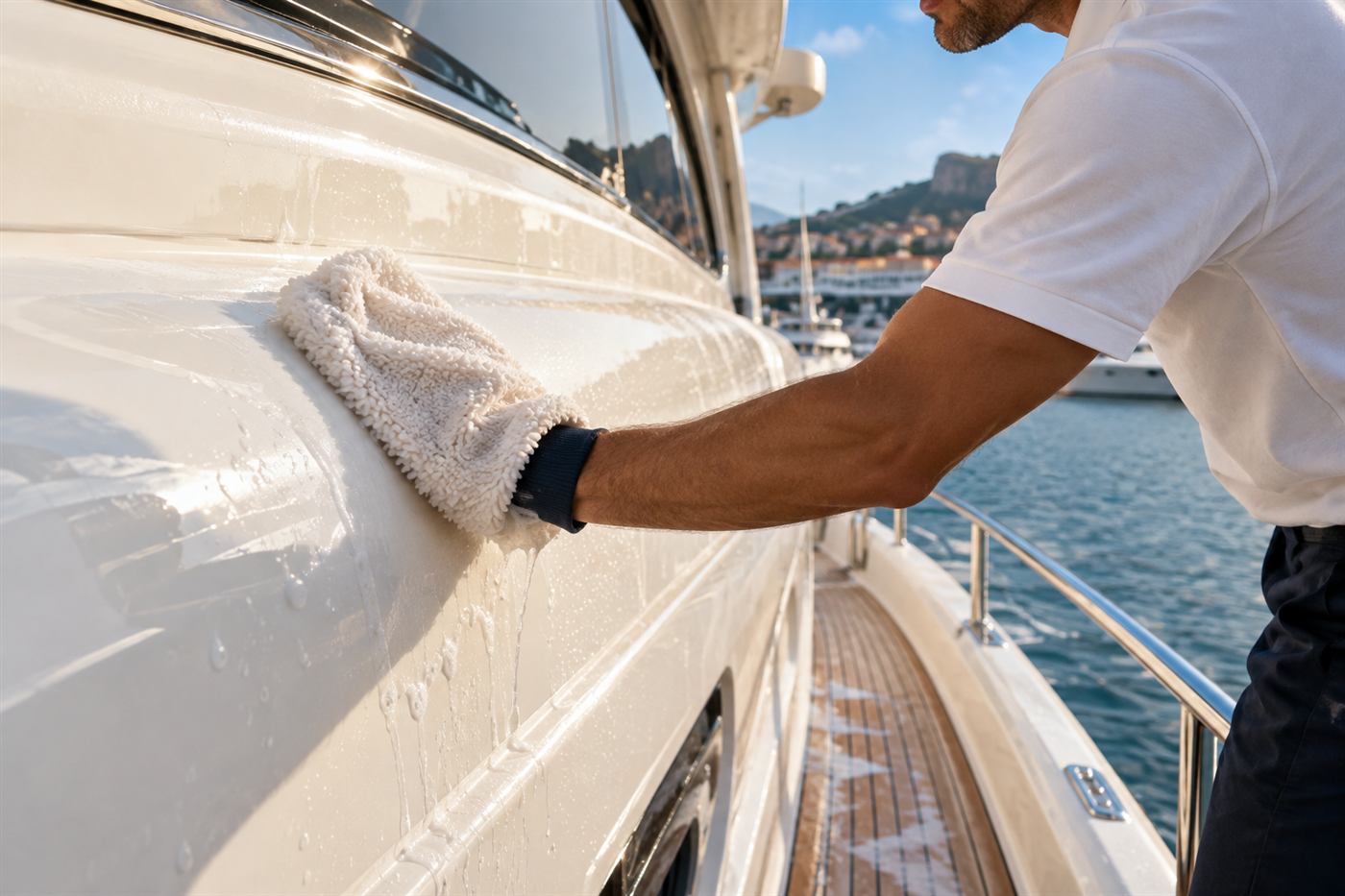
The northern edge of Broward waters
Deerfield Beach is the last Broward County city before the Palm Beach County line, and its waterfront reflects that in-between position. It has the dense marina and condo dock character of the Fort Lauderdale and Pompano area to the south, with a slightly quieter pace and a mix of year-round residents and seasonal visitors. The Intracoastal Waterway runs through the city, and a pier reaches out into the Atlantic on the beach side. Boats here are close to the ocean, even when they are kept on the inside waterway.
The Hillsboro Boulevard corridor is the best known landmark for boaters. A bridge carries the road across the Intracoastal, and docks, marinas and waterfront buildings cluster in the area around it. Boats moving up and down the waterway pass through here, and the bridge sets a rhythm of openings that affects traffic and wake. That rhythm affects boats tied up nearby, which rock in the wash of passing vessels and rub against pilings and fenders.
Because the area is a mix of marina dockage, condominium docks and private canal properties, no single description fits every vessel. A cruiser in a marina slip, a center console behind a waterfront home and a larger yacht at a condo dock face somewhat different conditions. The starting point is always a conversation about where exactly the boat is kept and how it is used.
Intracoastal docks: traffic, wake and rub
Docks along the Intracoastal sit on a busy waterway. Boats of every size pass through, and the wake from a big yacht or a fast sportfish rolls into docks and rocks anything tied up. Over time that motion causes chafe, where hulls rub against pilings, fenders or neighboring boats. Scuffs and dark rub marks appear along the rub rail and topsides. Fender stains, black streaks left by dirty or low-quality fenders, are another common mark.
Many scuffs are surface transfer, meaning rubber or paint from the contact point sits on top of the gelcoat. These can be cleaned with a gentle solvent and a soft pad, and the gelcoat underneath often looks fine afterward. Where actual abrasion has cut into the gelcoat, compounding and polishing may reduce the mark, and deeper scratches may need repair by a fiberglass technician. A detailer should tell you which is which before touching the surface.
A few practical habits reduce rub damage. Good, clean fenders placed at the right height protect the hull. Lines that are adjusted for tide and wake keep the boat from swinging. Chafe guards on lines save both the line and the dock. These are the owner's or captain's job, not the detailer's, but they influence how often cleaning and correction are needed, and a technician who sees repeated rub marks may mention them. The page on compound and polish describes how marks are treated once they have formed.
Condo docks and shared waterfront
Many Deerfield Beach vessels are kept at condominium or community docks, where several owners share a seawall or a set of slips. These settings come with rules. The association may require contractors to check in, show proof of insurance, or follow quiet hours. Parking for equipment vans can be limited. Water and power at the dock are sometimes shared, and the association may set limits on use.
Owners at shared docks are well served by finding out the rules before booking any work. A short call to the property manager or a look at the dock policy usually answers the main questions. Pass along the key points when scheduling: where to park, how the crew accesses the dock, and any restrictions on pressure washing, polishing or runoff. The guide on dockside detailing and marina rules lists the common questions.
Tight spacing at shared docks also matters. Boats are often close together, and work on one vessel can drift onto the next if wash water or compound spatter is not controlled. A careful crew protects neighboring boats, uses controlled amounts of product, and keeps the dock clear. Respect for neighbors is part of good detailing, and it is one reason that associations sometimes approve contractors who show they work tidily.
Canal homes and private docks
Away from the main channel, canal neighborhoods provide private dockage behind homes. Boats here are generally calmer than on the main waterway, since traffic wake is lighter, but they face the usual combination of sun, salt air and rain. Vegetation and nearby trees add leaf litter. Birds perch on dock pilings and railings, leaving droppings that bake onto gelcoat and stainless in hot weather.
Private docks are simple to work on in most cases. The owner controls access, and there is typically a hose connection and power near the seawall. Some docks have limited space beside the boat, and a low or wooden dock may not support a heavy equipment cart. Telling the technician about the dock's width, condition and layout helps avoid surprises.
Many canal owners use their boats on weekends, which leaves long idle stretches between trips. A boat that sits for days collects dust, pollen, salt film and bird droppings. A quick rinse by the owner after each outing helps. A professional visit on a recurring basis handles the rest: a thorough wash, treatment of stains, and periodic correction and protection. The page on recurring maintenance plans explains how a schedule is chosen based on use and exposure.
Salt, sun and the inlet to the south
Hillsboro Inlet lies just south of the city and is the way many boats reach the ocean from this part of the coast. Vessels that run through the inlet regularly pick up more salt spray than boats that stay on the inside waterway. A sportfish boat that goes offshore several times a week is subject to spray, wind-blown salt and hard sun, and it needs a rinse after every outing to keep corrosion in check.
Even boats that rarely leave the Intracoastal feel ocean air. Deerfield Beach is a coastal city, and onshore breezes carry salt across the waterway. The effect is gentler but still real, and it shows up as film on glass, tea staining on stainless, and gradual loss of gloss on gelcoat.
Signs that salt and sun are winning:
- A chalky haze on the surfaces that face the sky
- Glass or clear vinyl that looks cloudy even after wiping
- Brown tinting or small rust blooms on stainless fittings
- Dull, whitish patches on black or dark trim
- Cushions or canvas that feel stiff and look faded
- Streaks that return soon after washing
Gelcoat care and protection
Gelcoat is a hard, glossy layer on a fiberglass hull, and it is the surface most owners think of when they say a boat looks good or bad. Under constant sun and salt it oxidizes, which means its surface chemistry changes and it turns chalky. Washing removes dirt but does not remove oxidation. Compounding and polishing removes a thin layer of the damaged surface to reveal fresher gelcoat underneath.
Because the gelcoat layer is finite, correction is done in stages. The technician begins with the gentlest combination of pad and polish that will work and tests it on a small area. If the result is good, the same method continues. If not, a more aggressive step is tried. This protects the layer and avoids burning through. The page on gelcoat oxidation removal explains the logic in more detail.
After correction, protection is applied. A marine sealant creates a slick layer that sheds dirt and water. A ceramic coating bonds more tightly and lasts longer, but it needs careful surface preparation and is not magic. Neither one removes the need for regular washing. They make washing easier and slow the return of oxidation. See ceramic coating and the comparison of wax, sealant and ceramic for help choosing.
Bright work, teak and canvas
Stainless rails, cleats, ladders, tower frames and other hardware take a beating in this environment. Tea staining and light rust blooms respond well to cleaning and polishing when caught early. A technician uses products suited to marine stainless, and takes care around gelcoat, teak and canvas, which can be stained by the wrong chemicals. Metal that is pitted or cracked is a separate matter, and the honest answer may be that repair or replacement is better than polishing.
Teak decks, trim and swim platforms are classic features that need attention. Sun grays the wood, and salt dries it. Aggressive scrubbing with harsh chemicals thins teak over time, so a measured cleaning followed by brightening and sealing is better. Teak is not hard to maintain with regular gentle care, though neglected teak needs more work to restore. See teak deck care.
Canvas, covers and clear vinyl are cleaned with products matched to each material. Acrylic canvas takes a mild soap and a soft brush. Clear vinyl needs a rinse to lift grit, then a gentle cleaner and a soft cloth, since dry rubbing scratches. Cushions and upholstery are cleaned and protected with products made for marine vinyl. The canvas and isinglass page goes through the steps.
Interiors and humidity
Florida humidity is hard on boat interiors, and Deerfield Beach is no exception. A cabin that is closed up for a week or two develops a damp smell, and mildew spots can appear on cushions, headliners, carpet and wood trim. The problem is worst in warm months, when moisture in the air is high, but it can occur at any time of year if the boat is left shut.
Interior detailing deals with the cleaning but also the cause. A technician cleans hard surfaces, vacuums and treats fabric, wipes lockers, and checks the head, galley and bilge area for signs of moisture or odor. If a leak is found, the owner should know, because cleaning will not hold if water keeps coming in. The pages on interior detailing and mildew treatment describe the process.
Owners can help between visits. A small dehumidifier on shore power, moisture absorbers in lockers, and leaving cabin doors and drawers slightly open to let air move all reduce the odds of mildew. Using the boat is a good habit too. A boat that is opened up and aired out regularly stays healthier than one that sits sealed for weeks at a time.
Storm season and keeping up with the weather
Hurricane season is part of the calendar for boat owners all along the coast. Detailing does not protect a boat in a storm, and it never replaces a proper plan with the marina, the insurer and a qualified captain or yard. It can help with the cleaning that surrounds a storm: getting loose items stowed, rinsing salt from the boat before a long wait, and cleaning debris, mud and salt after the storm passes. The storm prep wash-down page explains what is included.
Outside storm season, the weather affects the schedule in other ways. Afternoon thunderstorms in summer interrupt outdoor work, and the crew plans around them. Cooler, drier weather in winter is comfortable for polishing and teak work, and the busy boating season means more demand. Booking ahead and describing your timeline on the first call helps avoid disappointment.
A recurring plan smooths out the seasons. Instead of a single large clean-up, the boat receives regular, lighter attention, with deeper correction when it is needed. This usually keeps the finish in better shape than occasional heavy work, and it spreads out the effort.
Planning a visit and what to have ready
The first call is a conversation about the boat, not a sales pitch. A technician asks what kind of vessel it is, where it is kept, how it is used and what you have noticed on the surface. Quotes are given by phone only, because a number without the details would be a guess. More complicated work may need an on-site visit, and there is a service call charge for that visit, explained on the phone before dispatch.
Helpful details include the boat type and length, the marina or dock address, any rules for contractors, the availability of water and power, and any concerns such as haze, staining, spotting, teak or odor. If the boat will be in use on certain days, say so, so the visit can be scheduled around it.
Call when you are ready
A boat in Deerfield Beach is exposed to the same salt, sun and humidity as the rest of the coast, plus the traffic of a busy waterway. With a sensible plan, it stays in good shape. Describe your boat and where it is kept, and the conversation will move quickly to what makes sense. Call when you are ready, and a technician will talk through the next steps.
Questions people ask
Why does my boat get black marks along the side at my Intracoastal dock?
Marks along the rub rail and topsides usually come from contact with fenders, pilings or lines, often worsened by wake from passing boats. Many are surface transfer that cleans off with a gentle solvent. Deeper abrasion may need polishing or repair. A technician checks which type you have before treating the surface.
Does my condo association need to approve a detailer?
Many associations require contractors to check in, show insurance or follow quiet hours and runoff rules. Policies vary, so ask your property manager before booking. Pass the key points along when you schedule, including parking and dock access. A crew that works tidily and protects neighboring boats is easier for associations to accept.
How often should a boat near the inlet be washed?
Boats that run through the inlet collect more salt spray and benefit from a fresh water rinse after every outing, with a full wash on a regular schedule. Boats that stay inside need less, but still feel ocean air. A technician can suggest a rhythm after learning how the boat is used.
Can scratches from rubbing against the dock be removed?
Light surface marks and transfer usually come off with cleaning or polishing. Deeper scratches that cut into the gelcoat may reduce with compounding but not disappear, and the deepest need repair by a fiberglass technician. A detailer should look closely and explain which category your marks fall into.
Is ceramic coating worth it for a boat on a busy waterway?
A coating helps the surface shed dirt, salt and water, and it eases washing, but it does not stop scuffs from rubbing or remove the need to wash. It suits owners who want easier upkeep. A technician can talk through whether it fits your boat, dock and budget on the phone.
How is the work priced?
Quotes are given by phone only, after a few questions about the boat, dock and goals. Larger or more complicated jobs may need an on-site visit, and there is a service call charge for that visit, explained on the phone before dispatch. Call with a description of the vessel and the technician explains the process.
Describe the situation by phone and we will tell you what the job involves. Quotes are given by phone. Jobs that cannot be quoted without seeing them need a technician on site, and the service call charge is explained on the phone before anyone is dispatched.
(954) 719-3572