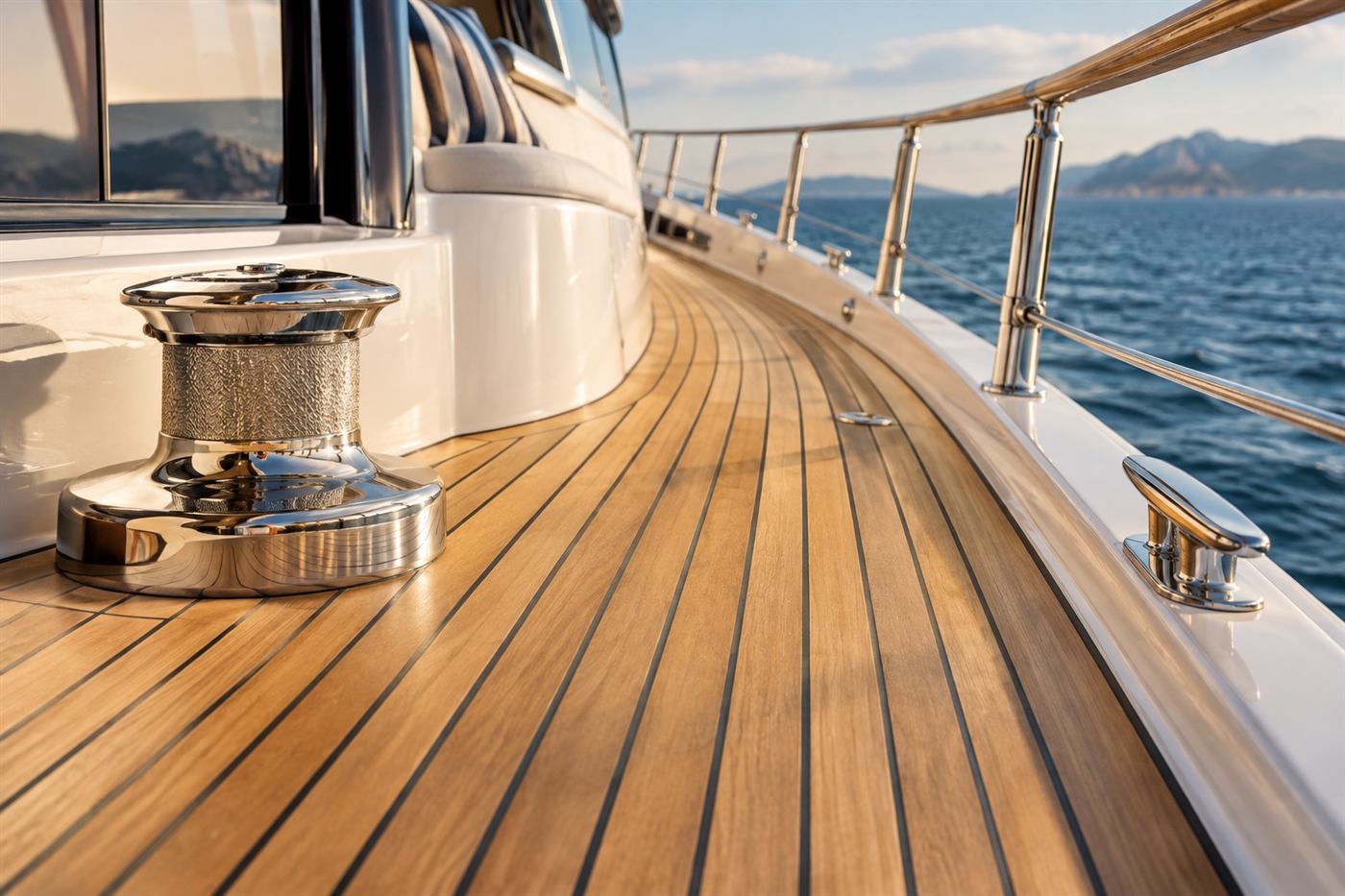
Searching for yacht detailing near me at Fort Lauderdale? Best Yacht sends a real detailer dockside with before-and-after photos on every job. See our yacht detailing near me page for full marina coverage.
The Yachting Capital of the World, more marinas and dockage per mile than almost anywhere else in the country.
Exterior wash-down, compound and polish, ceramic coating, bright work, interior detail, and teak and deck care, scheduled dockside. Call (954) 719-3572.
How a dockside job runs
Assess the vessel
Size, gelcoat condition and scope confirmed before a price is quoted.
Flat price agreed
Quoted before we schedule, not adjusted dockside.
Work the vessel dockside
At Fort Lauderdale, coordinated around your schedule.
Walk-through and sign-off
Reviewed with you before we consider the job done.
Fort Lauderdale ZIP codes we serve
3330133304333083331233316
Fort Lauderdale is governed by the City of Fort Lauderdale. For marina permits or dockage rules, that's the relevant authority, we handle the detailing, not the marina.
More navigable water than almost any comparable city.
Fort Lauderdale earned its reputation as the Yachting Capital of the World honestly, an extraordinary network of rivers, canals and the Intracoastal Waterway thread through the city in a way few other American cities can match, giving residential and commercial dockage a genuine density that shapes everything about how boats get maintained here. The New River winds through the historic downtown core, canal communities branch off toward the barrier island, and named marinas like Bahia Mar, Pier 66 and Las Olas anchor different stretches of this network, each with its own character even though all of it technically falls under the single Fort Lauderdale address.
This density means variety is the defining feature of detailing work across the city rather than any single dominant condition. A boat on a quiet finger canal in a residential neighborhood west of the Intracoastal experiences almost none of the open-water exposure a boat docked along the beachfront barrier island deals with daily, even though both addresses carry the same city name. Understanding exactly where in this network a specific vessel sits, canal, river, barrier island, named marina, is the first real question in scoping any Fort Lauderdale detailing job, since the environmental answer changes block to block in a way it simply doesn't in a smaller, more uniform coastal city.
Port Everglades sits at the southern edge of the city, one of the busiest cruise and cargo ports on the Eastern Seaboard, and its presence affects water traffic, wake, and general marine activity for a meaningful radius around it, an influence that fades the further a dock sits from the port entrance but never fully disappears for vessels using the same connected waterway system.
Three very different Fort Lauderdale addresses.
A canal-front residential dock, common throughout neighborhoods like Rio Vista, Coral Ridge and the Sailboat Bend area near downtown, tends to see the calmest water conditions in the city, minimal wake, no direct ocean exposure, and often enough shade from mature landscaping and neighboring homes to meaningfully reduce UV load compared with an open marina berth. Boats here still deal with full marine salt content in the air and water, but the pace of attack is gentler, and a maintenance schedule built for this kind of dock can run somewhat more relaxed than one built for the barrier island marinas further east.
The New River corridor through downtown presents a different profile entirely, a working urban waterway with bridge traffic, tour boat and water taxi activity, and a fair amount of wake from vessels transiting between the ocean and points west. Docks along this stretch, including Las Olas Marina, deal with more constant low-level disturbance than a quiet canal, along with the practical realities of an urban setting, bridge schedules, foot traffic on adjacent riverwalks, and less privacy than a residential canal dock offers.
Barrier island addresses, Bahia Mar and the beachfront corridor generally, face the most direct exposure of the three, open sightlines to the Atlantic, steady onshore wind, and the heaviest salt aerosol load in the city. Vessels here, often the largest in our regular rotation, need the tightest wash intervals and the most disciplined approach to bright work and gelcoat correction of any address we service in Fort Lauderdale specifically.
Scheduling around a genuinely busy city.
Fort Lauderdale's bridge network, dozens of spans across the city's canals and the New River, run on a mix of scheduled and on-demand openings, and any work requiring a small boat or equipment transit by water needs to account for this. More relevant for most detailing visits, though, is road traffic around bridge openings and the general congestion that comes with a city this dense with waterfront activity, factors we build into scheduling so a crew's arrival time stays reliable regardless of which part of the city a job is in.
Do you cover canal neighborhoods, not just the named marinas?
Yes, residential canal docks throughout Fort Lauderdale's neighborhoods are a regular part of our work, not just the marquee marina addresses.
How far ahead should I book for boat show season?
As far ahead as possible. Demand across every Fort Lauderdale marina spikes at once during show season, and slots fill up well before the show itself begins.
Does my exact address in the city change the maintenance schedule you'd recommend?
Yes, significantly. A canal dock, a downtown river slip and a barrier island marina berth all see different enough exposure that we tailor the recommended interval to your specific address, not a citywide default.
From tenders to superyachts, in every neighborhood.
The sheer range of vessels docked across Fort Lauderdale on any given day is unlike almost anywhere else on this coast, center consoles and small cruisers tucked into residential canals, sportfishing convertibles based near the inlet and Port Everglades access points, sailboats scattered throughout quieter canal communities, and superyachts occupying the deepest berths at the named barrier island marinas. Detailing across this range means genuinely adapting scope and technique to the vessel in front of us rather than applying a single citywide template, a philosophy that matters here more than almost anywhere given how much variety exists within a single city's limits.
Whatever the vessel type and whichever part of the city it calls home, the same underlying commitment applies across every Fort Lauderdale address we service, an honest look at the boat and its specific exposure, and a scope of work built around that reality rather than a generic package. Reach out and describe your exact address and vessel anywhere in Fort Lauderdale, and we'll scope it from there, whether that's a quiet canal wash-down, a full brokerage-ready detail, or a pre-departure inspection ahead of a long passage out of the harbor.
The same science, applied to different neighborhoods.
The underlying gelcoat oxidation, stainless corrosion and teak wear patterns described throughout this site apply everywhere in Fort Lauderdale, but the pace differs meaningfully by address. A canal boat in a shaded residential neighborhood might go a full season between real correction needs, while an identical hull on the open barrier island shows the same degree of oxidation in half that time. This is precisely why we walk every vessel individually rather than quoting a correction schedule off a generic citywide interval, the boat and its specific dock together tell us what it actually needs.
Stainless and bright work follow the same logic, crevice corrosion around fasteners and welds develops faster at an exposed marina than a sheltered canal, and teak on a covered flybridge ages differently than teak on an open foredeck facing straight into onshore wind. Whatever the specific combination of vessel and dock, an honest assessment before any work begins remains the starting point for every job we take on in this city.
Salons, staterooms and cabins of every scale.
Interior detailing across Fort Lauderdale's varied fleet means adapting to everything from a compact sailboat cabin in a Rio Vista canal to a multi-stateroom superyacht salon at Bahia Mar in the same working week. The underlying principles stay consistent, honest attention to upholstery, headliners, galley and head surfaces, and real awareness of the humidity and salt-air infiltration that affects every enclosed cabin in this climate regardless of size, but the scale and the specific finishes involved shift enormously from one job to the next. A canal-front sailboat's teak-trimmed cabin calls for gentler, wood-specific products, while a modern superyacht's synthetic and leather-upholstered salon calls for an entirely different product set matched to those materials.
Crewed vessels, common among the larger yachts based here, often have their own preferences and routines already established by a professional captain or steward, and we work within those existing standards rather than imposing a generic checklist, treating the crew's day-to-day knowledge of the vessel as a genuine resource during any interior visit.
Fort Lauderdale's near-constant marine activity.
Between the boat show calendar, a substantial year-round charter and sportfishing fleet, and simply the sheer density of recreational boating in this city, Fort Lauderdale's waterways rarely see a truly quiet stretch the way a smaller coastal town might. This constant activity means more wake, more general marine traffic noise, and a faster-turning schedule of vessels arriving, departing and changing hands than almost anywhere else on this coast. Detailing crews working this city need to move efficiently and communicate clearly with marina staff, other contractors and the boat's own crew, simply to keep pace with how much is happening on the water at any given time.
For owners, this also means a wider range of scheduling flexibility than a quieter city might offer, more crews familiar with the area, more marinas used to accommodating outside contractors on short notice, and generally a more mature service ecosystem built up around the sheer scale of the boating population here. Finding a reliable, communicative detailing partner matters just as much here as in a smaller market, but the options and the flexibility tend to be broader given how much marine business this city supports.
Do you handle crewed vessels with existing interior routines already in place?
Yes, and we work within a crew's existing standards and preferences rather than replacing them with a generic approach.
Is scheduling more flexible in Fort Lauderdale than in smaller coastal cities nearby?
Generally yes, given how much marine activity and how many marinas operate here, though named-marina addresses during boat show season are the exception and need advance booking.
The city's scale is the whole story here.
If there's one thing worth understanding about detailing in Fort Lauderdale specifically, it's that no single description fits the whole city. A quiet canal dock in a residential neighborhood, a busy downtown river slip, and an exposed barrier island marina berth all technically share a mailing address, but they age differently, they need different schedules, and they call for a detailer who actually asks which of these three describes your specific boat before recommending anything. That's the approach we bring to every Fort Lauderdale job, city-wide reputation, address-specific execution.
A city where boats change hands constantly.
Fort Lauderdale's status as a major yacht brokerage hub means a meaningful share of our work here is tied to boats being prepared for sale, showing, or survey rather than purely routine owner maintenance. Brokers and owners alike understand that a vessel's presentation directly affects both the speed of a sale and the price it commands, and a properly detailed boat, gelcoat corrected and protected, bright work genuinely polished rather than just wiped, interior fresh and odor-no-obligation, tells a buyer a very different story than one that's been left to fend for itself between showings.
We coordinate closely with brokers on timing, since a showing calendar often moves quickly once a listing goes live, and a detail scheduled with real lead time looks considerably better than one rushed the morning of a walkthrough. Surveyors, too, benefit from an honestly presented boat, our goal in pre-sale work is never to hide a problem, gelcoat damage or corrosion still gets flagged honestly, but a boat that's clean and well cared for lets a surveyor focus on the substantive condition of the vessel rather than being distracted by grime that has nothing to do with the boat's actual mechanical or structural health.
Boats heading out, and boats just arriving.
Fort Lauderdale's position as a major departure and arrival point for vessels moving up and down the Eastern Seaboard or across to the Bahamas means we regularly handle detailing tied to a boat's transit schedule rather than its owner's leisure calendar. A vessel about to depart on a long passage often gets a thorough wash and inspection beforehand, catching small issues, a loose fitting, an early corrosion spot, while there's still time to address them before weeks at sea. A boat just arriving after a long transit typically needs a genuine reset, clearing accumulated salt crust and grime from the passage before it settles into its new dock routine.
These transit-timed visits often come with tighter deadlines than a routine maintenance call, a delivery captain working against a weather window, or an owner needing the boat ready before guests fly in to meet it dockside. We treat these calls with the same urgency described for transient vessels at Bahia Mar, confirming scope quickly and working the timeline that actually exists rather than the one that would be convenient for us.
Do you prepare boats for sale or brokerage showings?
Yes, pre-sale detailing timed around a broker's showing calendar is a regular part of our work in Fort Lauderdale.
Can you turn around a boat quickly before a delivery departure?
We'll work with whatever weather window or deadline you're facing, and a phone call describing the timeline helps us confirm what's realistically achievable.
Do you flag problems honestly during pre-sale detailing rather than hiding them?
Yes, our job is to clean and present the boat well, not to disguise real gelcoat or corrosion issues from a surveyor, and we'll tell an owner directly if something beyond cosmetic cleaning needs attention.
What does a boat typically need after a long offshore passage?
A thorough exterior wash to clear accumulated salt crust, a check of bright work and fittings for any new corrosion, and often an interior refresh if the crew lived aboard during transit, all scoped around whatever schedule the owner or captain needs to meet next, and prioritized so the most visible and most time-sensitive items get handled first if the full scope can't fit before departure, with a clear conversation about what's being deferred and why, rather than a rushed job that skips steps silently. That kind of clear communication matters most exactly when the clock is running shortest before a departure, and it's the same standard we hold to on a routine visit with no deadline pressure at all, whether the boat is heading offshore tomorrow or simply sitting quietly at its regular canal dock.
Whether a vessel is settling into a quiet canal for the season, heading out on a long passage, or being shown to a prospective buyer at a marquee marina, Fort Lauderdale's sheer scale and variety mean every job gets scoped on its own terms. Call (954) 719-3572 and describe your exact situation, we'll build the plan around it.
Need detailing at Fort Lauderdale?
Describe the situation by phone and we will tell you what the job involves. Quotes are given by phone. Jobs that cannot be quoted without seeing them need a technician on site, and the service call charge is explained on the phone before anyone is dispatched.
(954) 719-3572